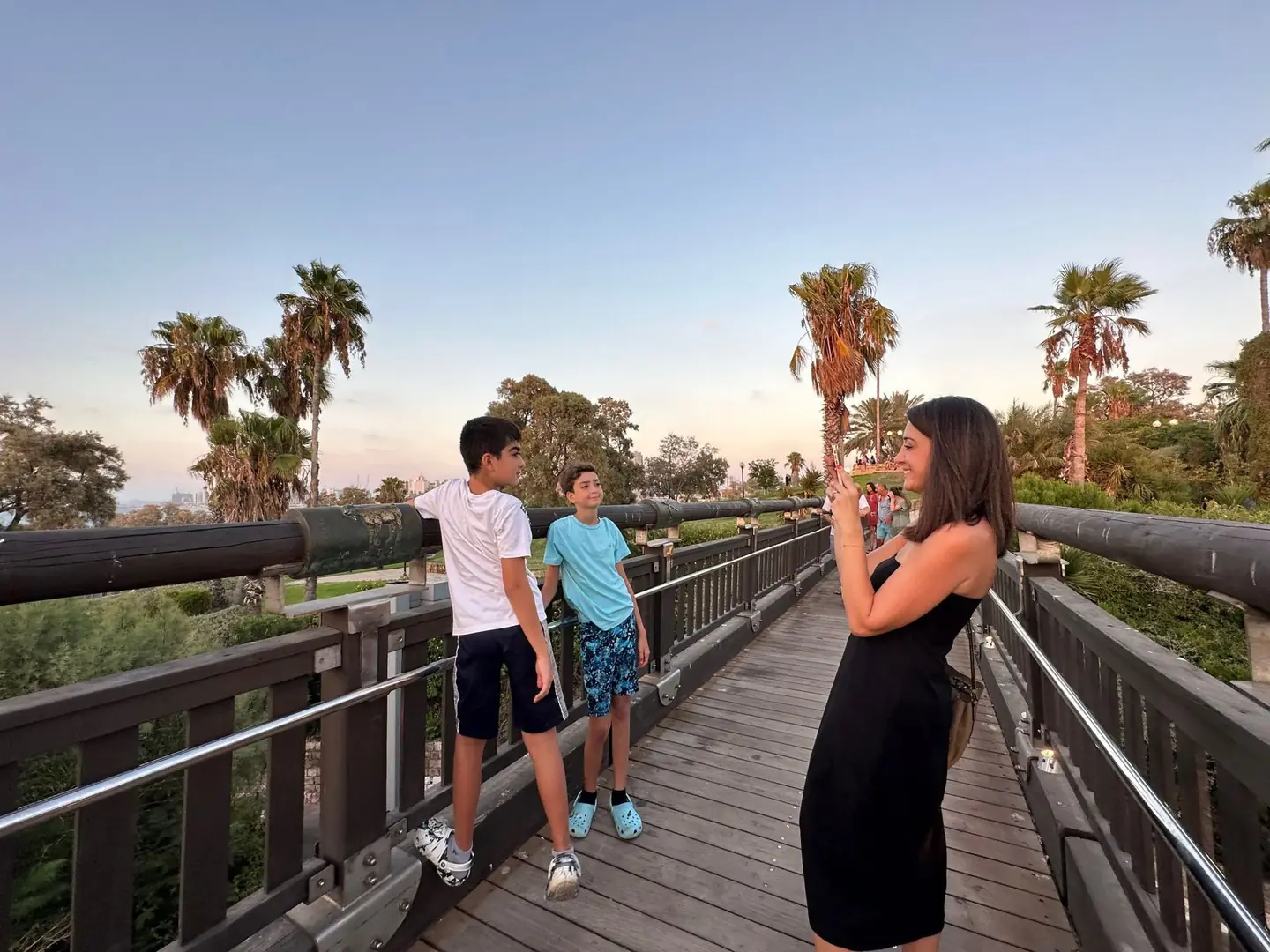
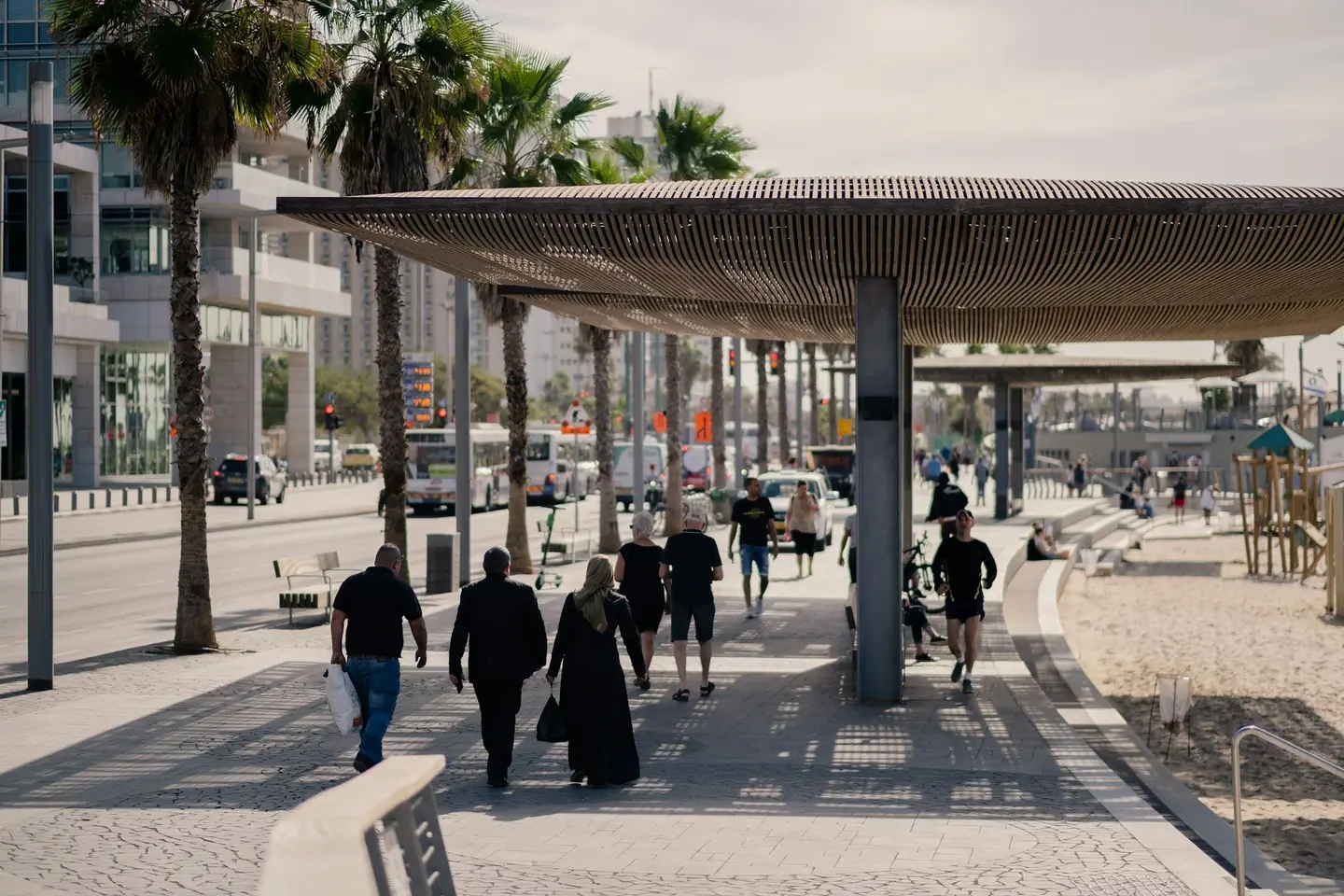
Tel Aviv runs on Mediterranean rhythms: long sunny stretches, a warm sea, and a coastline that rarely empties out. The catch for first-time visitors is that the weather here is more layered than "always sunny" suggests. Summers are genuinely hot and humid, winters bring real rain, and a day that starts on a breezy beach can end at a holy site in Jerusalem where you will want to cover your shoulders. Packing well means dressing for two different worlds at once, the easygoing coast and the more conservative interior.
This guide breaks down what the weather actually feels like across the year, then gives you a season-by-season packing list. The goal is a single carry-on that lets you go from a morning swim to an afternoon market crawl to an evening of holy sites without missing a beat. For a deeper look at when to come, pair this with our best time to visit Tel Aviv guide, and browse the full Tel Aviv destination hub to map out neighborhoods.
How Tel Aviv's weather really feels
Tel Aviv has a classic Mediterranean climate: hot, dry summers and mild, wet winters, with very little rain between about May and September. The sea moderates everything, so you rarely get the bone-dry desert extremes you might imagine. What surprises people most is the humidity. From June through September the air is sticky even when the thermometer looks reasonable, and the real-feel temperature climbs fast in direct sun. Winters, by contrast, are cool and changeable, with bright blue-sky days broken up by genuine downpours.
Two rules hold all year. First, the sun is strong this far south, so sun protection is non-negotiable in every season, not just summer. Second, the beach and the city's secular core are relaxed about dress, but religious sites, especially in Jerusalem, expect modest clothing. Build your packing around those two constants and you will be ready for almost anything Israel throws at you.
Summer (June-August): hot, humid, all about the sea
Summer is peak beach season. Daytime highs commonly sit in the low 30s Celsius (high 80s to low 90s Fahrenheit), rain is essentially nonexistent, and the humidity is the defining feature, not the heat itself. The sea is at its warmest and most inviting, and the smartest daily rhythm is simple: be active early or late, and spend the blazing midday hours in the water or somewhere air-conditioned.
Pack light, breathable fabrics: linen and cotton over synthetics, loose shirts, shorts, and at least two swimsuits so one can always dry. Bring a wide-brimmed hat, polarized sunglasses, reef-friendly high-SPF sunscreen, and a refillable water bottle, because staying hydrated is the difference between loving and enduring an August afternoon. Quick-dry sandals or water shoes earn their place, and the sea is warm enough that you will want to be in it daily. This is the season to rent a surfboard or a boogie board and treat the coastline as your backyard. Save your walking and market time for the cooler bookends of the day.
Autumn (September-November): the comfortable sweet spot
September still feels like summer, with warm sea temperatures and full beach days, but as the weeks pass the humidity eases and the light turns golden. By late October and November you get arguably the most comfortable conditions of the year for combining the beach with serious walking. Evenings cool down pleasantly, so this is the first season where a light layer becomes genuinely useful.
Keep most of your summer kit but add a light long-sleeve shirt or a thin sweater for evenings, plus a compact rain layer toward November as the first storms arrive. Comfortable walking shoes matter more now, because the gentler temperatures make this prime time for exploring on foot. An autumn morning is ideal for a Tel Aviv, Yaffo and skyline walking tour, tracing the promenade and the old port of Jaffa before the day warms up.
Winter (December-February): mild, wet, surprisingly green
Tel Aviv winters are mild by European or North American standards but they are the wettest, coolest months. Expect daytime highs around the mid-teens Celsius (high 50s to mid-60s Fahrenheit), cooler nights, and stretches of rain punctuated by brilliantly clear, beautiful days. The sea is too cold for most swimmers, but the beachfront promenade is still a joy to walk on a sunny winter afternoon, and the surrounding hills turn briefly green.
This is the only season where you genuinely need warmer clothes. Pack a waterproof jacket or a compact travel umbrella, a warm layer or two, long trousers, and closed shoes that handle wet pavement. Layering is key, because a damp 14C morning can give way to a mild, sunny afternoon. Winter is the season to lean into indoor pleasures, especially food, so plan around the city's markets and tasting tours; our things to know before visiting Israel guide covers the practical basics worth sorting before you arrive.
Spring (March-May): blooming and balanced
Spring is many travelers' favorite window. March can still throw down a few rainy days, but by April the city glows, with bougainvillea in bloom, comfortable daytime highs in the low-to-mid 20s Celsius (70s to low 80s Fahrenheit), and a sea that is warming enough for a swim by May. It is the best all-rounder: warm enough for the beach, cool enough for all-day walking.
Pack for variety. Bring lighter clothing for warm afternoons, a layer for cooler evenings, a light rain jacket for March, and your full sun kit, because the spring sun is already strong. A swimsuit is worth carrying from late spring onward. With weather this forgiving, spring is excellent for combining a beach base with day trips, including the holy sites described below.
Packing for Jerusalem and holy sites
Here is where coastal packing meets a different reality. Many visitors base themselves in Tel Aviv and take a day trip to Jerusalem, and the dress code at religious sites is meaningfully stricter than on the beach. At the Western Wall, churches along the Via Dolorosa, mosques, and many synagogues, both men and women are expected to cover shoulders and knees; women may also want a scarf to cover the head at certain sites, and men should have something for the head at Jewish holy places.
The simple solution is a lightweight scarf or pashmina and a pair of long, loose trousers or a midi skirt tucked into your day bag. They weigh almost nothing, layer over beach clothes, and double as sun cover or an evening warmth layer. Jerusalem also sits higher and inland than Tel Aviv, so it is often a few degrees cooler with chillier evenings, especially in winter, another reason to carry that extra layer. Plan around the Jerusalem destination guide so you arrive dressed for the sites you want to see.
A simple year-round checklist
No matter the season, a few items belong in every Tel Aviv bag: high-SPF sunscreen, sunglasses, a hat, a refillable water bottle, comfortable walking shoes, a universal plug adapter for Israel's Type C and H sockets, and that lightweight modest layer for holy sites. Add swim gear from spring through autumn, and a waterproof jacket plus a warm layer for winter. Tel Aviv is a casual, walkable, beach-first city, so resist the urge to overpack; you will spend far more time in sandals and linen than in anything formal.
Once your bag is sorted, the rest takes care of itself. Check the Tel Aviv beaches guide for where to set up by the water, lock in any walking tours or market tastings early for the busy spring and autumn windows, and let the Mediterranean do the rest. Pack for sun, pack one modest layer, and you are ready for both the coast and the holy cities beyond it.
Frequently asked questions
What should I pack for Tel Aviv in summer?+
Do I need warm clothes for Tel Aviv in winter?+
What is the dress code for holy sites in Jerusalem?+
When is the sea warm enough to swim in Tel Aviv?+
Is sunscreen necessary year-round in Tel Aviv?+
What is the best season for walking tours in Tel Aviv?+
Book These Tours
Explore Tel Aviv with a local guide
Market food tours at Shuk HaCarmel and Hatikva, Tel Aviv & Jaffa walks, beach rentals, and Jerusalem day trips — book online with instant confirmation.
Browse all Tel Aviv & Jerusalem tours →